
The Early Years of Yugoslavia
After the First World War, several Slavic states in the Balkans merged to form Yugoslavia, which became a communist state after the Second World War. By the 1980s, communist rule was weakening and the economy was struggling. These challenges strained the unity of the country and intensified tensions among its diverse ethnic and religious groups.
Secession in Yugoslavia
Yugoslavia’s central government could no longer maintain control, leading to Slovenia and Croatia declaring independence and sparking civil war across the region. In the early 1990s, multinational peacekeeping efforts were launched, including Canadian forces. Despite these efforts, unrest continued, and evidence emerged of ethnic cleansing.
Peacekeeping Attempts in Lands without Peace
In 1995, NATO took over many peacekeeping responsibilities and set the terms to end the fighting. However, by 1998, violence persisted, particularly between Serbian forces and Albanian residents in Kosovo. NATO’s attempts to enforce peace were unsuccessful, and the threat of military action was issued to the Serbians. When negotiations failed in 1999, NATO launched an air campaign called Operation ALLIED FORCE to end the conflict.
Operation ALLIED FORCE
This operation was a NATO combat operation that leveraged air force combat capabilities by using air force in Italy, southern Europe, and the USS Theordore Roosevelt aircraft carrier.
The Contribution of the RCAF
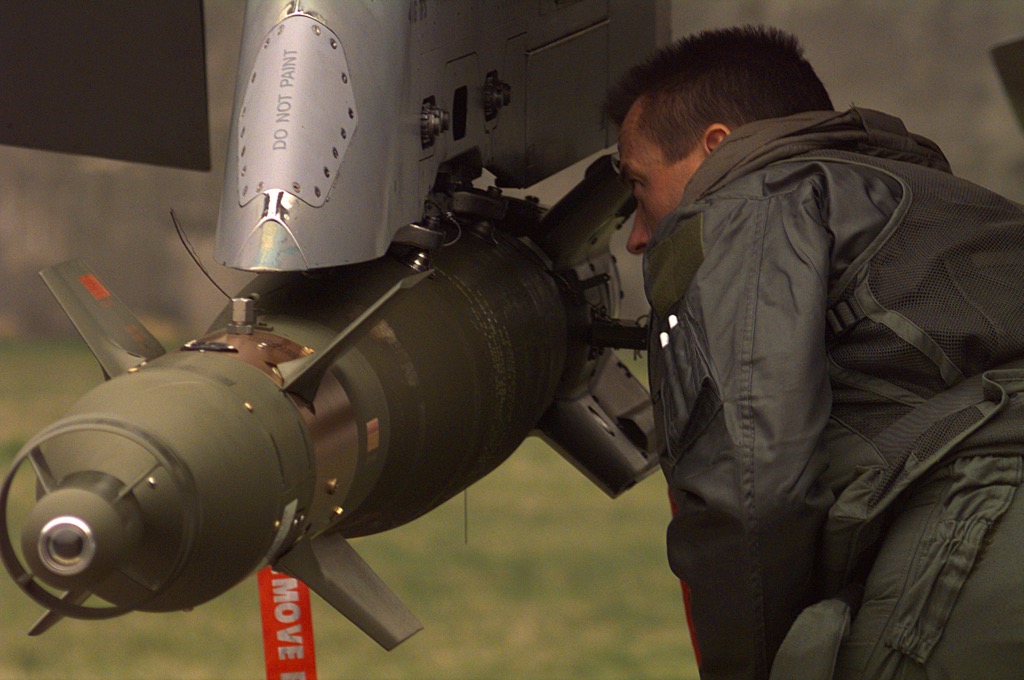
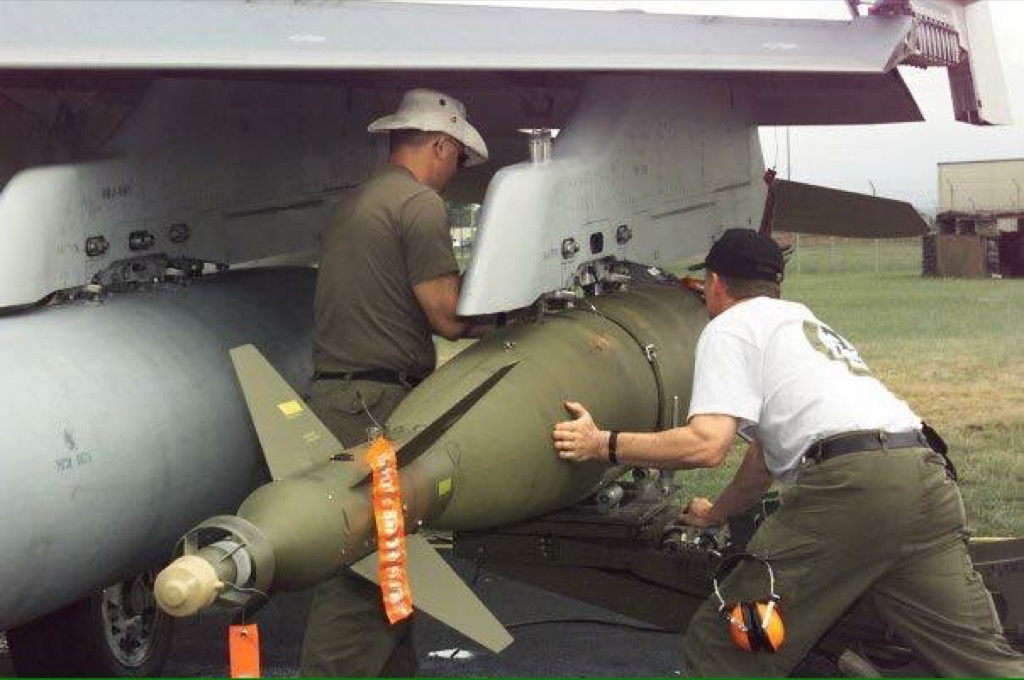
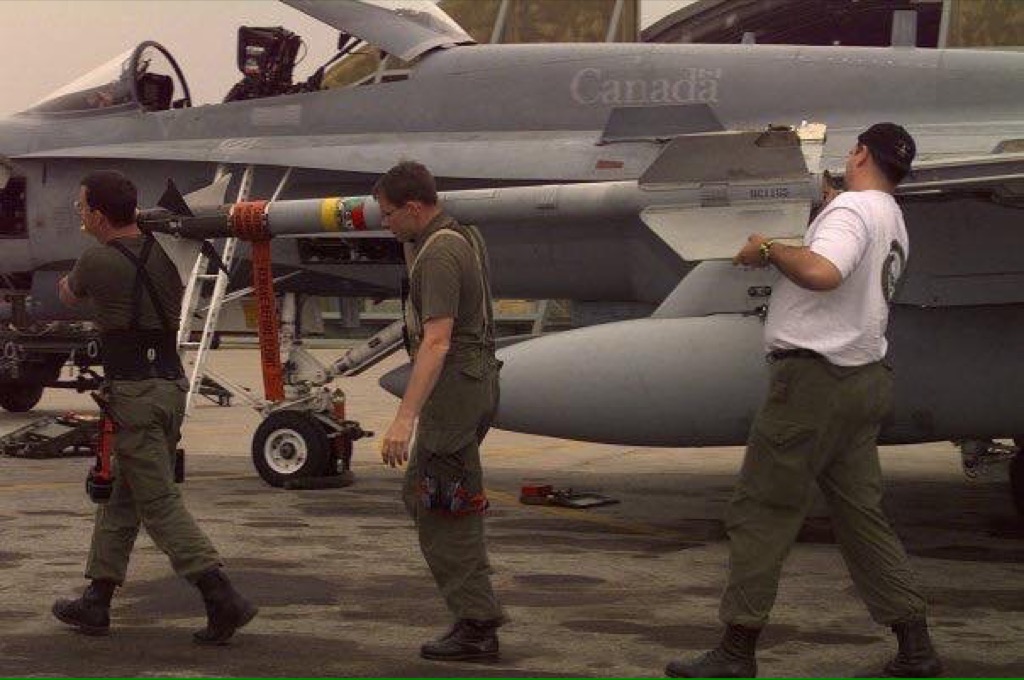
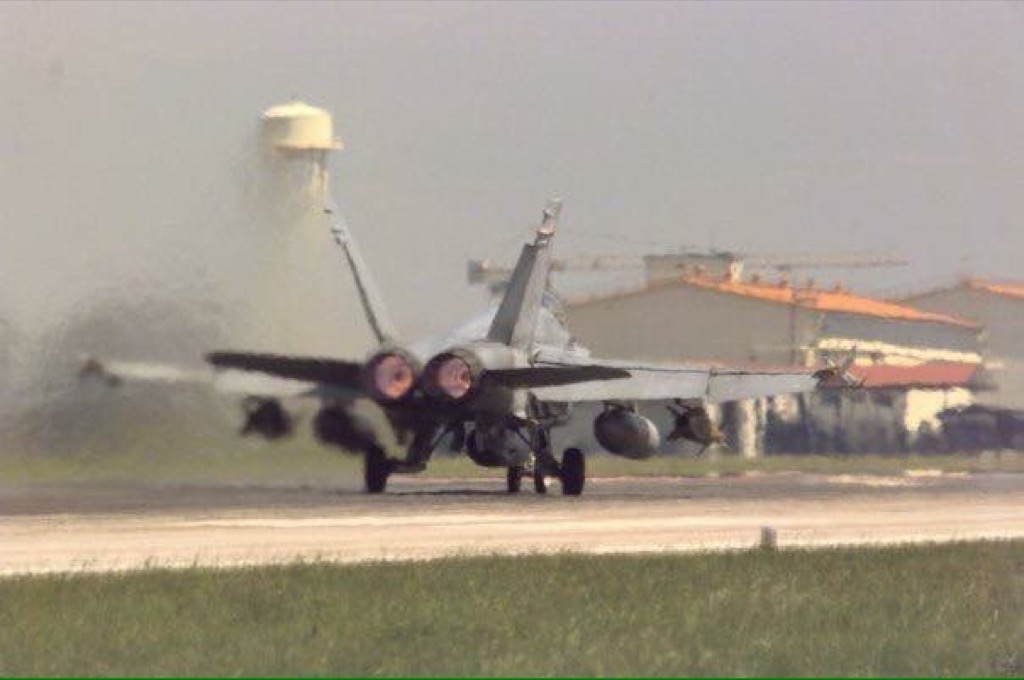
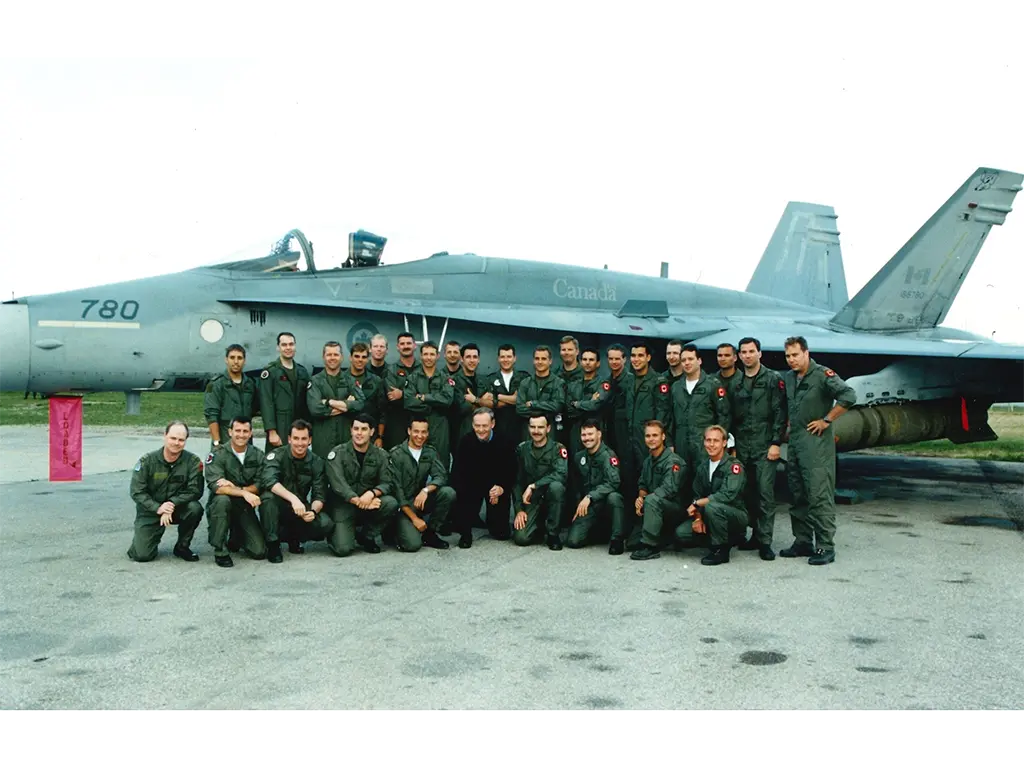
The Canadian fighter force contributed 18 CF-18 fighter jets. Flying day and night, the CF-18 force flew 678 combat sorties, a disproportionate 10% of all attack missions, while making up just 2% of the available fighter forces. The Canadian counterpart was called Task Force Echo.
The Balkan Rats
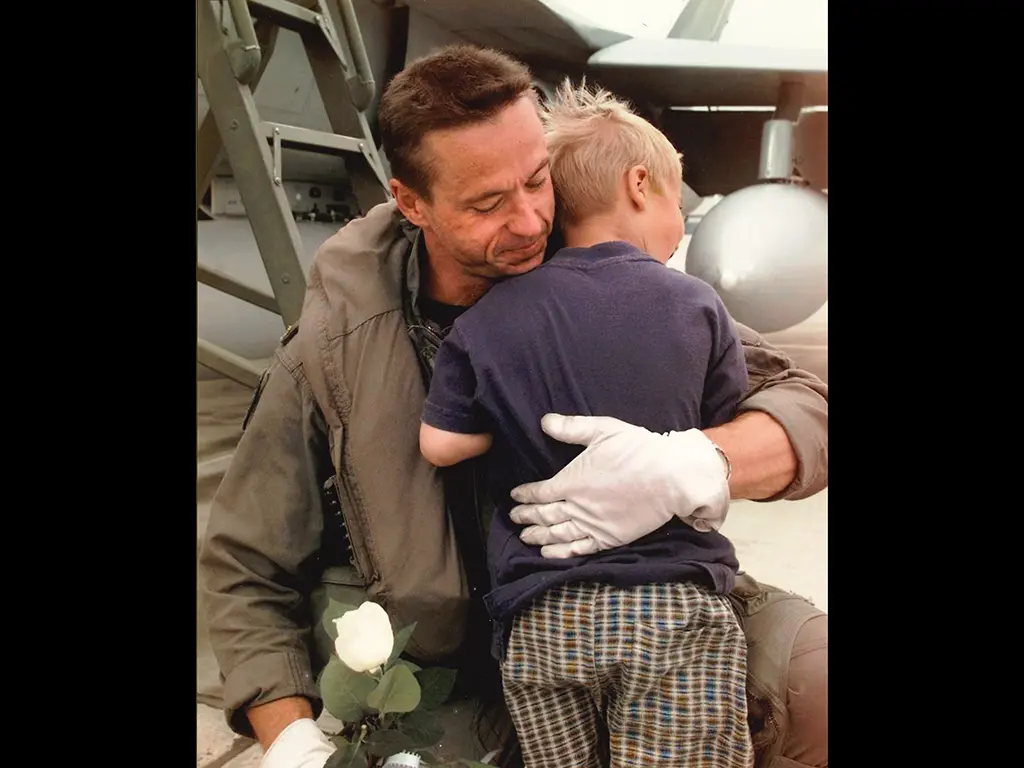
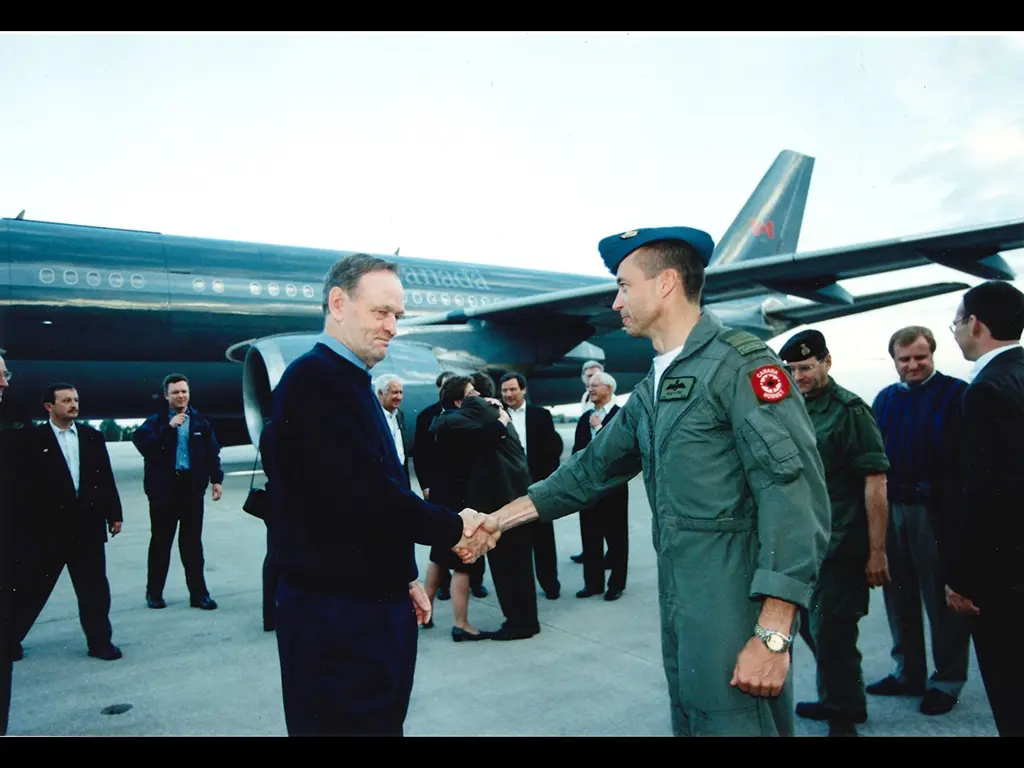
Task Force Echo was manned as a composite unit of pilots and technicians affectionately known as the Balkan Rats. After many years of peacetime operations, the Balkan Rats were thrust into combat operations with little preparation or training. However, they performed with such professionalism that the ground crew provided an astonishing 99.4% sortie rate through the combat period (unheard of in peacetime or war) and RCAF flight leaders were tasked to serve as mission commanders for 50% of the missions that Canadians flew.The commander of the Balkan Rats was Lieutenant-Colonel Billie Flynn CD.


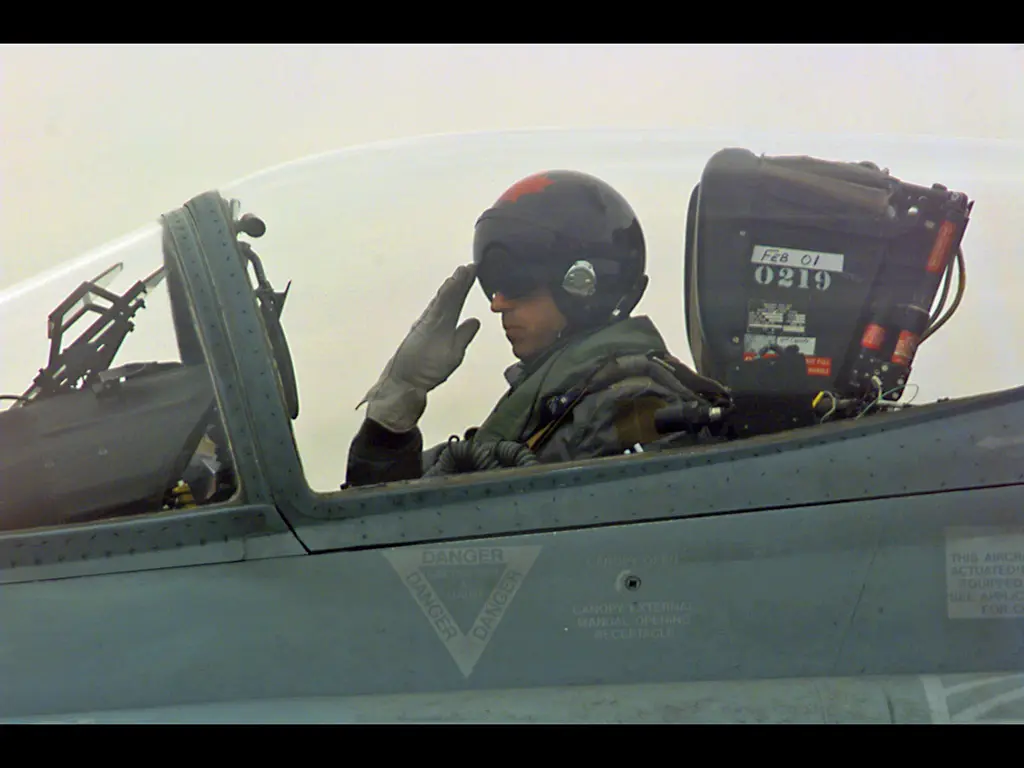
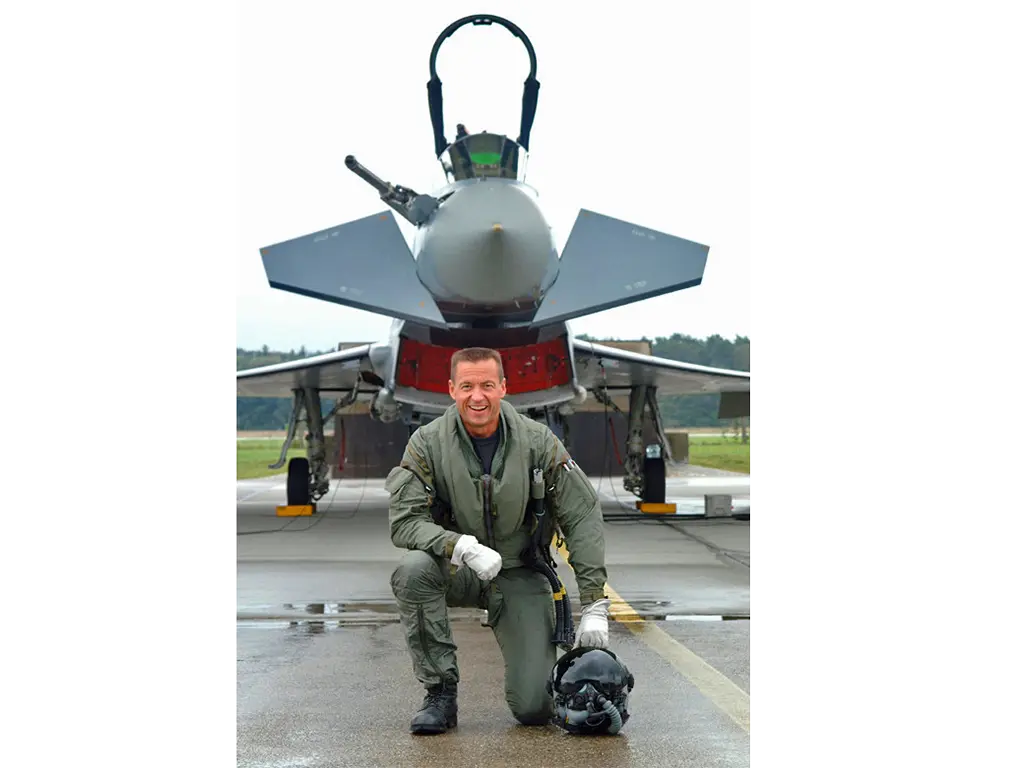
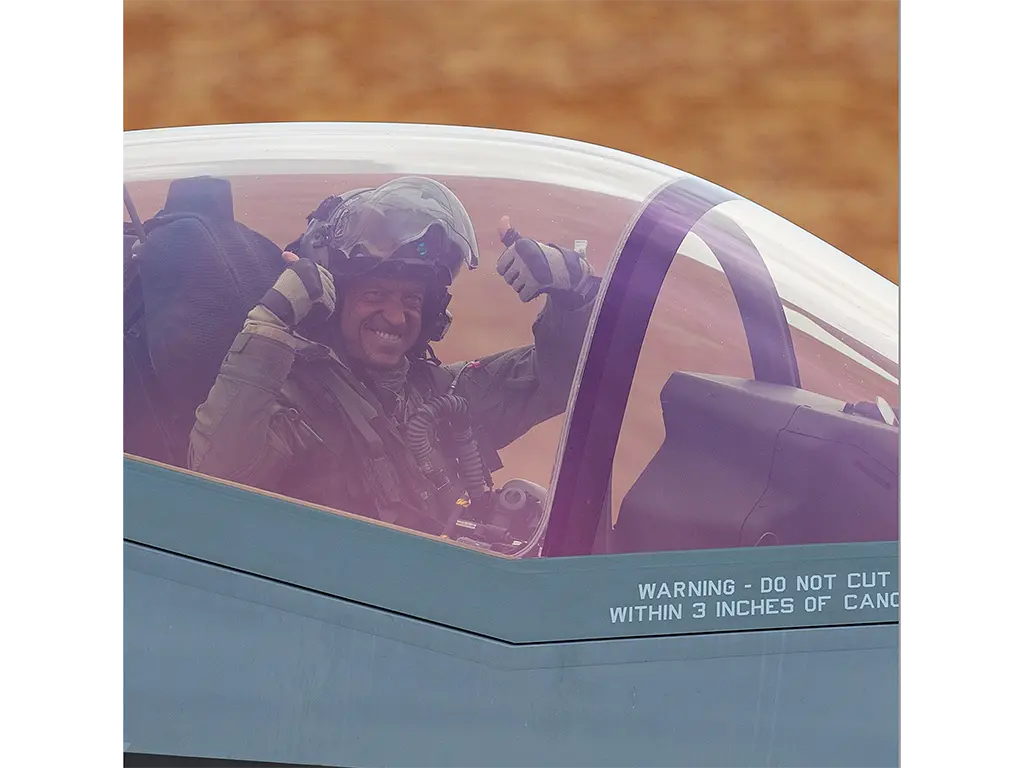
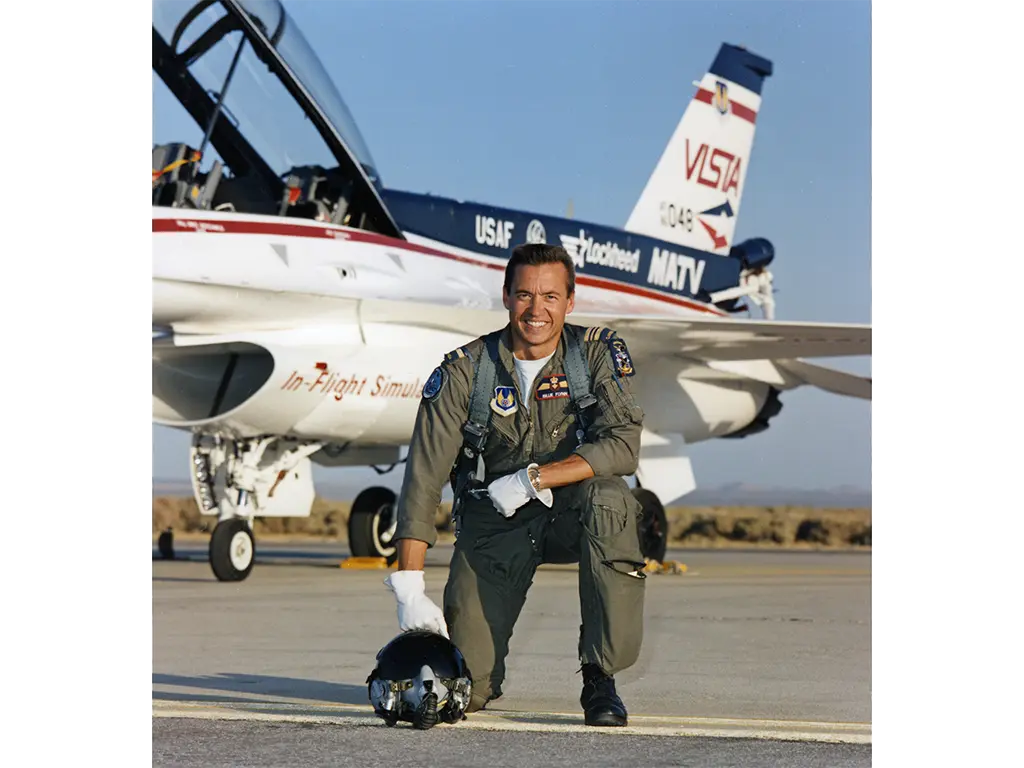
Lieutenant-Colonel Billie Flynn, CD, Commanding Officer, Balkan Rats – Canada’s Very Own Top Gun
Born in Germany to two RCAF veterans married in the church at the CFB Baden-Soellingen base. Billie Flynn graduated from Royal Military College in Kingston Ontario in 1981 with a Bachelor of Mechanical Engineering and became one of Canada’s first pilots to fly the CF-18.
Flynn’s Inspiration to Fly
Billie grew up around fighter jets. Spending time in the hangars and fighter cockpits after church as his father was a fighter pilot flying F-86s, CF-100 Clunks and CF-101 Voodoos. It was his father and his fellow RCAF pilots that inspired Billie to pursue aviation. He attributes his success in the RCAF to being, “offered incredible opportunities as well as extraordinary timing”. Flynn is most proud of the honour and privilege of commanding in combat and, “bringing them all home”.

Flynn’s Contribution to Canada
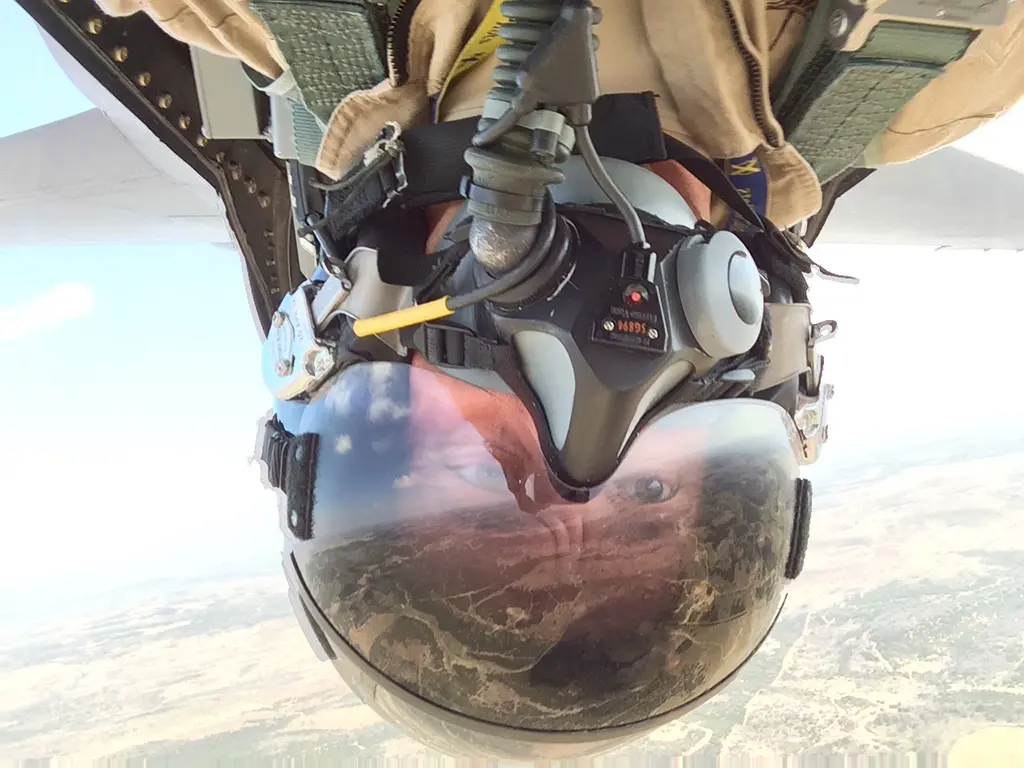
After Flynn’s command of a CF-18 fighter squadron in Operation ALLIED FORCE, he served as a test pilot of future fighters including the Eurofighter Typhoon and the F-35 Lightning II. As lead test pilot for the Lockheed Martin Skunk Works project team, he contributed to the development and testing of the Automatic Ground Collision Avoidance System, a lifesaving technology. He also played a significant role in the F-35 Joint Strike Fighter Program.
Flynn’s Flights
Billie, now retired, has flown over 80 aircraft for the RCAF, USAF, USN, Marine Corps, NASA, Eurofighter, and Lockheed Martin, and while his favourite fighter is the F-16 Viper. If he was going into combat, his choice would be the CF-18 Hornet.
The Impact of Canada on Operation ALLIED FORCE
Not a single aircrew member or aircraft was lost in Operation ALLIED FORCE. The success of this operation proved that combat success could be achieved from air operations alone. For its professionalism under fire in combat, the contributing units of the RCAF were awarded battle honours by Queen Elizabeth II.
of Canadian Missions were commanded by Canadians
of combat missions while only making up 2% of the fighter capability
The sortie rate of the RCAF Balkan Rats ground crew
Our sincere thanks to Veterans Affairs Canada for funding this project, to Mallory Brown for content creation, and to Billie Flynn for sharing his story and content.