
Operation MEDUSA – Combat in the Pujwaii Region, Afghanistan
In September of 2006, after several years of operations in Afghanistan under the umbrella of Operation ATHENA, Taliban forces had concentrated in the Panjwaii District west of Kandahar. Operation MEDUSA was a 13 day combat operation to fight the insurgent forces threatening to destabilize the region. It marked the largest combat operation undertaken by Canadian forces since the Korean war. The operation was a multinational effort, with more than 1,000 members of the Canadian Armed Forces participating as part of a broader coalition effort.

Major General David Fraser, CMM, MSC, MSM, CD
Then–Brigadier-General David Fraser commanded approximately 2,000 coalition troops during Operation MEDUSA, including an aviation task force of roughly 40 helicopters. As Commander of Regional Command South, he oversaw operations across six southern Afghan provinces, working alongside nine coalition partners and more than 10,000 personnel. Now retired, he described the RCAF’s contribution to Operation MEDUSA as, “indispensable”.
The Twofold Contribution of the RCAF
Australian and Austrian CH-47 Chinook helicopters were frequently tasked with delivering pallets of supplies into drop zones using cargo parachutes. Helicopters such as the Chinooks are well suited for these missions due to the ability to fly at low altitude, operate in confined terrain, and hover over precise drop locations. However, as combat operations intensified, these aircraft were increasingly required for other high-priority missions.
Part I – An Out of the Box Decision
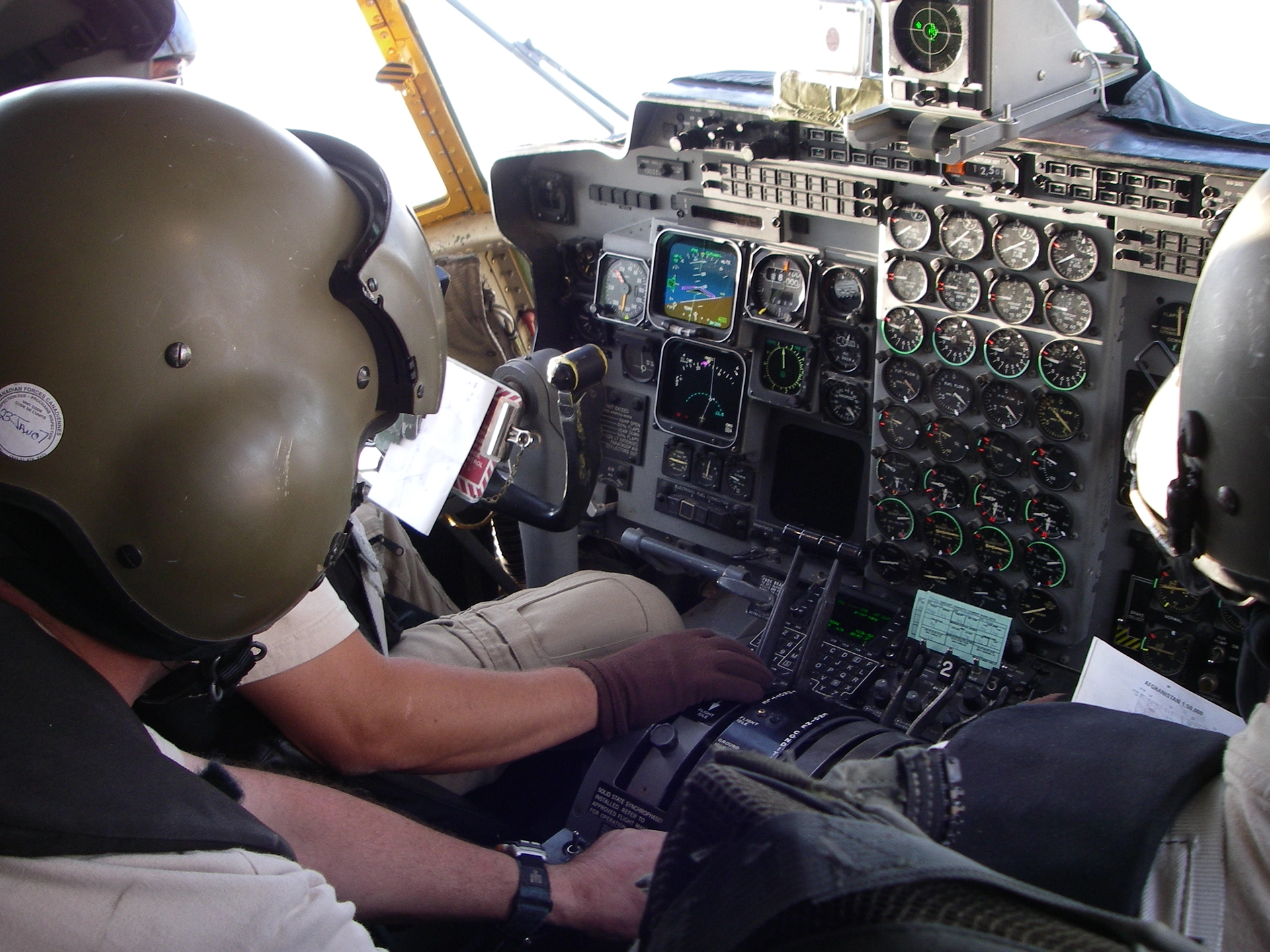
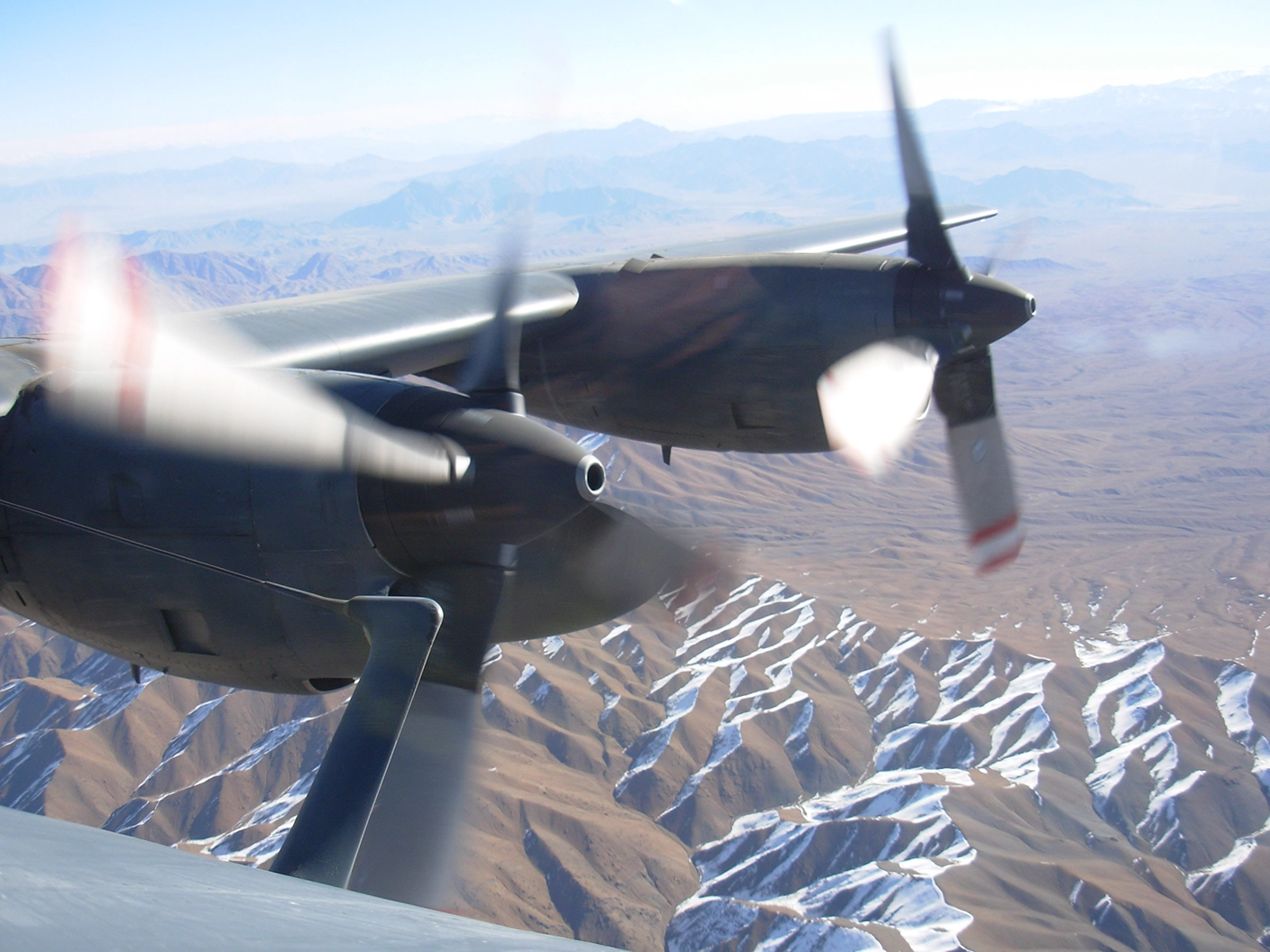
Brigadier-General David Fraser, had the innovative idea to use RCAF CC-130 Hercules aircraft, operating from Camp Mirage to conduct the airdrop missions. This approach freed coalition helicopters for other critical operational tasks. The aircrews for the CC-130s accepted.
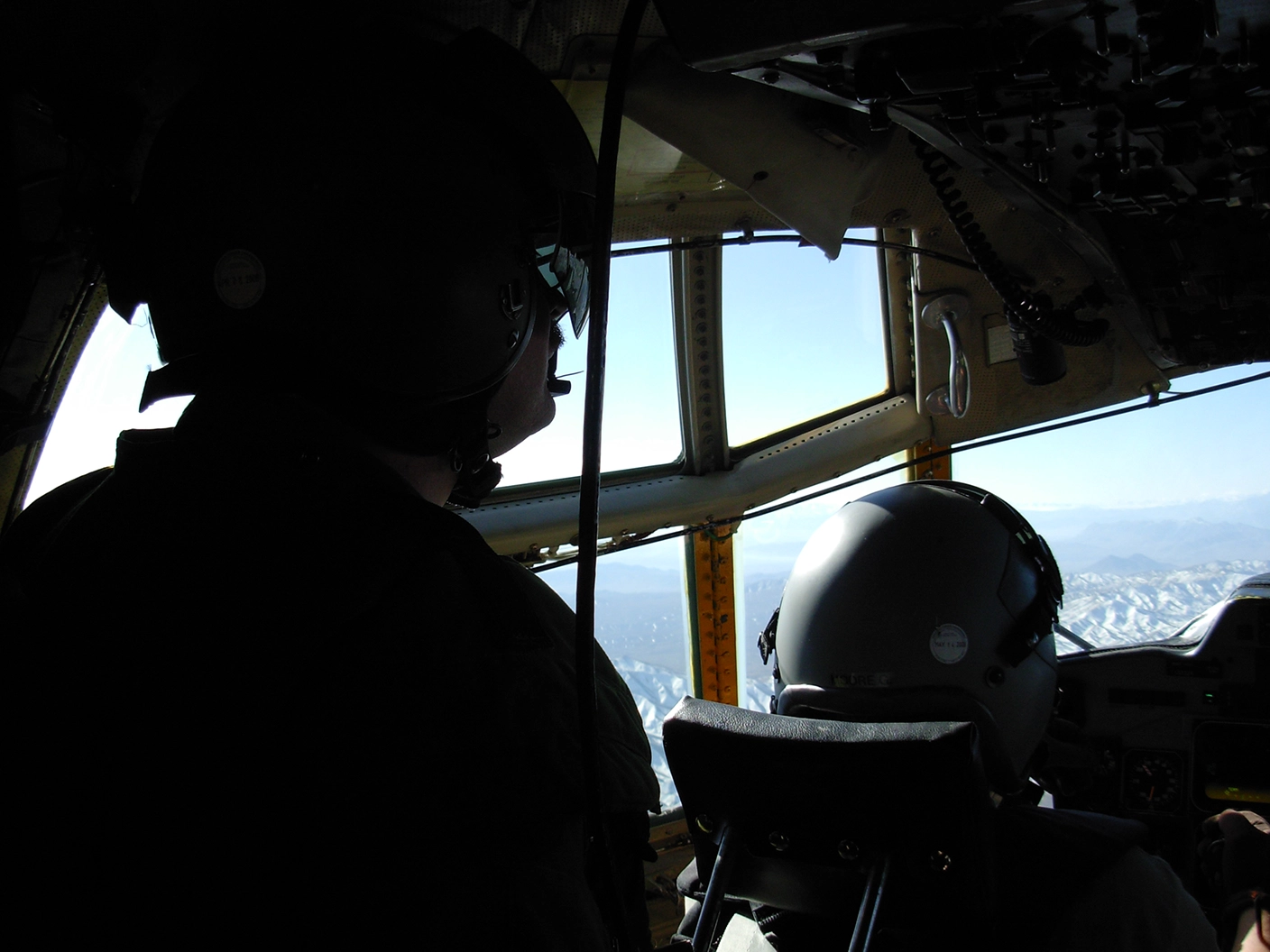
This meant that in addition to daily flights into Kandahar for intra-theatre airlift missions, CC-130 crews now undertook low-level airdrop sorties with a substantially increased level of risk.


Part II – The Crazy Canucks
The 429 and 436 Squadrons handled necessary exposure and aggressive flying with grace as they flew straight up the Afghanistan valleys in demanding low level flight to avoid enemy threat. These operations required exceptional training, discipline, and coordination, garnering significant respect from other countries involved in the operations. Though well executed, it brought new meaning to the affectionate nickname, “The Crazy Canucks”.
Part III – RCAF Fighter Pilots – Skills Beyond the Cockpit
RCAF fighter pilot “Dune” Howell served in a key role as an Air Liaison Officer during Operation MEDUSA. In this role, he coordinated closely with ground commanders, requesting and directing air support as required and clearly communicating battlefield conditions to coalition aircrews overhead. He called in every fighter plane in the sky and was one of the only international officers trusted by the Americans. His work exemplified the adaptability of RCAF personnel, demonstrating that air power extends well beyond the cockpit.
The Impact of the Operation MEDUSA on Canada
Prior to Operation MEDUSA, Canada had a reputation as peacekeepers. The operation demonstrated Canada’s ability to lead and execute high-intensity combat operations within a multinational coalition. As Major-General Fraser later reflected, “Everyone, including the RCAF aircrew, demonstrated remarkable abilities in the combat arena”. The professionalism and skill earned the respect of many other nations during Operation MEDUSA. Canada was praised for its coordination of services in the novel whole-of-government approach to military operations. The RCAF’s professionalism and operational excellence were central to that achievement.
Our sincere thanks to Veterans Affairs Canada for their financial support, Mallory Brown for video production, and David Fraser for sharing his story and content.