
Operation ATHENA
Phase 1: Peace Support in Kabul
In 2003, Afghanistan was governed by an interim administration working to establish stability following decades of conflict. Operation ATHENA was a two phase plan. The first phase focused on peace support operations in Kabul under the NATO-led International Security Assistance Force (ISAF). The mission aimed to provide security while Afghanistan’s interim government developed a new constitution and prepared for its first democratic elections.
Operation ATHENA
Phase 2: A Priority Shift to Combat
The second phase shifted to Kandahar Province. Combat was necessary in this province due to insurgent activity, instability, and violence. Establishing security was essential to allow diplomatic, development, and governance efforts to take root. Canadian Armed Forces personnel transitioned to a combat role to counter insurgent groups seeking to destabilize the region and undermine the authority of the Afghan government. Canadian troops worked alongside multinational partners to prevent the insurgent groups from regaining control over strategic cities and to disrupt networks that financed insurgent activity. Overall, Operation ATHENA was a multinational effort focused on security, stabilization, and counter-insurgency operations.
Joint Task Force Afghanistan
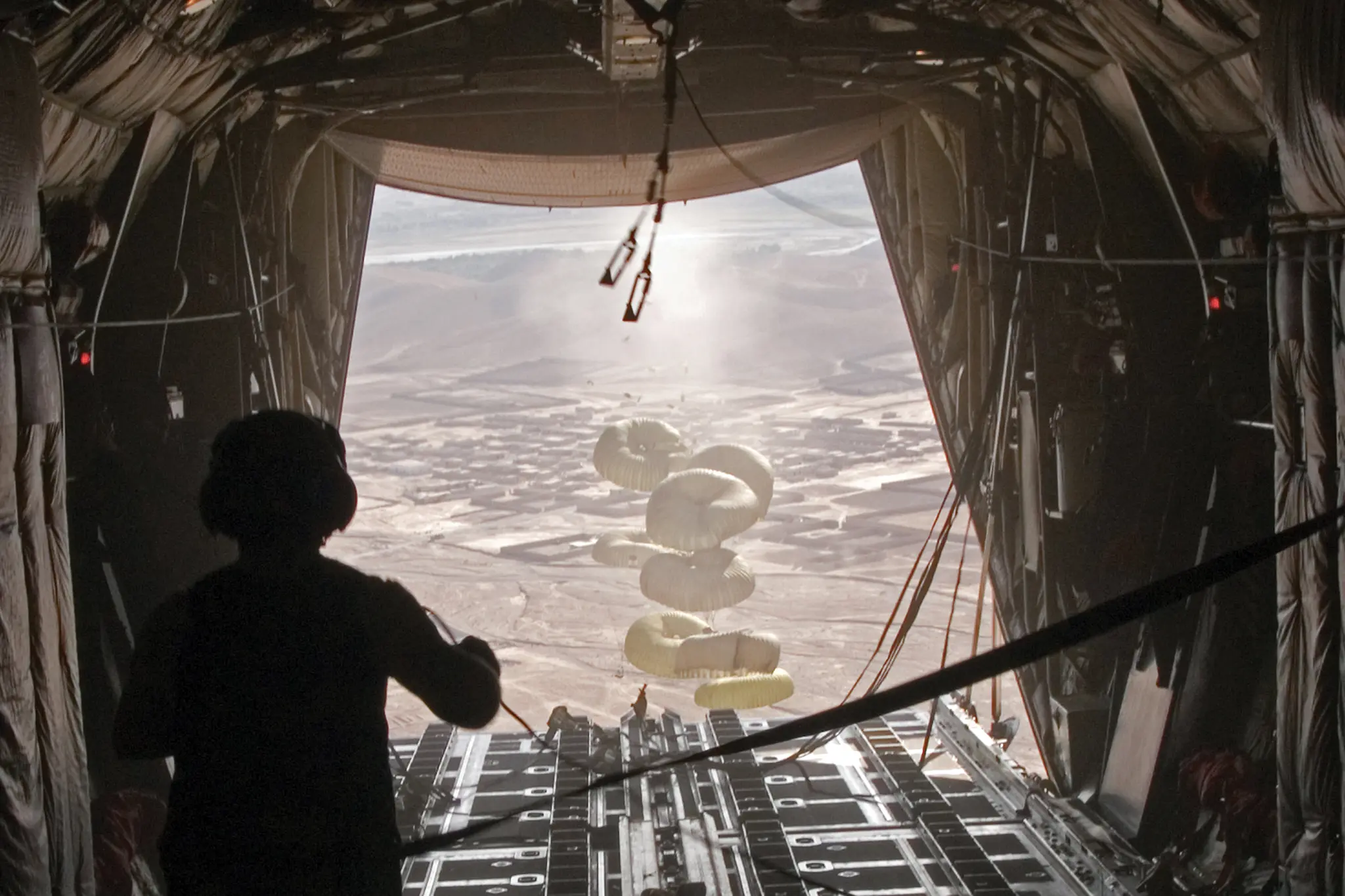
Joint Task Force Afghanistan (JTF-Afg) was a multi-service military formation established with the purpose of executing Canada’s mission under the objectives of Operation Athena. Initially, the air component of the Joint Task Force consisted primarily of air transport operations such as strategic and tactical airlift. It was composed of 196 RCAF personnel operating three CC-130 Hercules aircraft, working to ensure essential transport of personnel, equipment, and supplies into theatre.
The Development of the Expeditionary Air Wing
By 2008, it became clear that the land-battle focused Joint Task Force Afghanistan required more support from air operations. The Manley Panel parliamentary report recommended the deployment of additional air and aviation assets to Afghanistan by February 2009. By December 2008, most had been deployed to Kandahar Airfield. This was the first time Canada had dispatched a dedicated air formation to participate in an active armed conflict zone since the Second World War. This decision represented a significant evolution in modern Canadian air power.
Joint Task Force Afghanistan Air Wing
A World Class Expeditionary Air Force
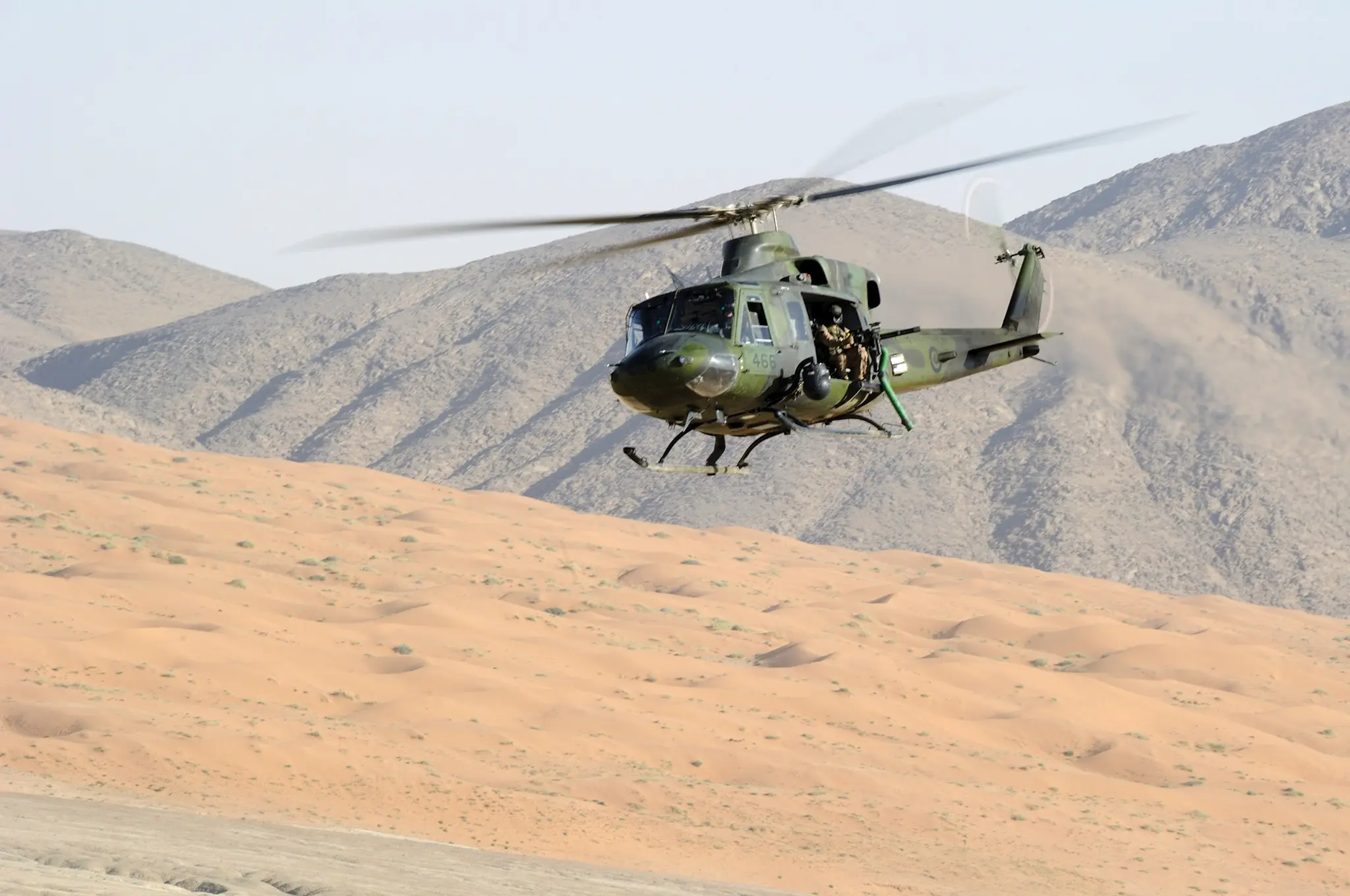
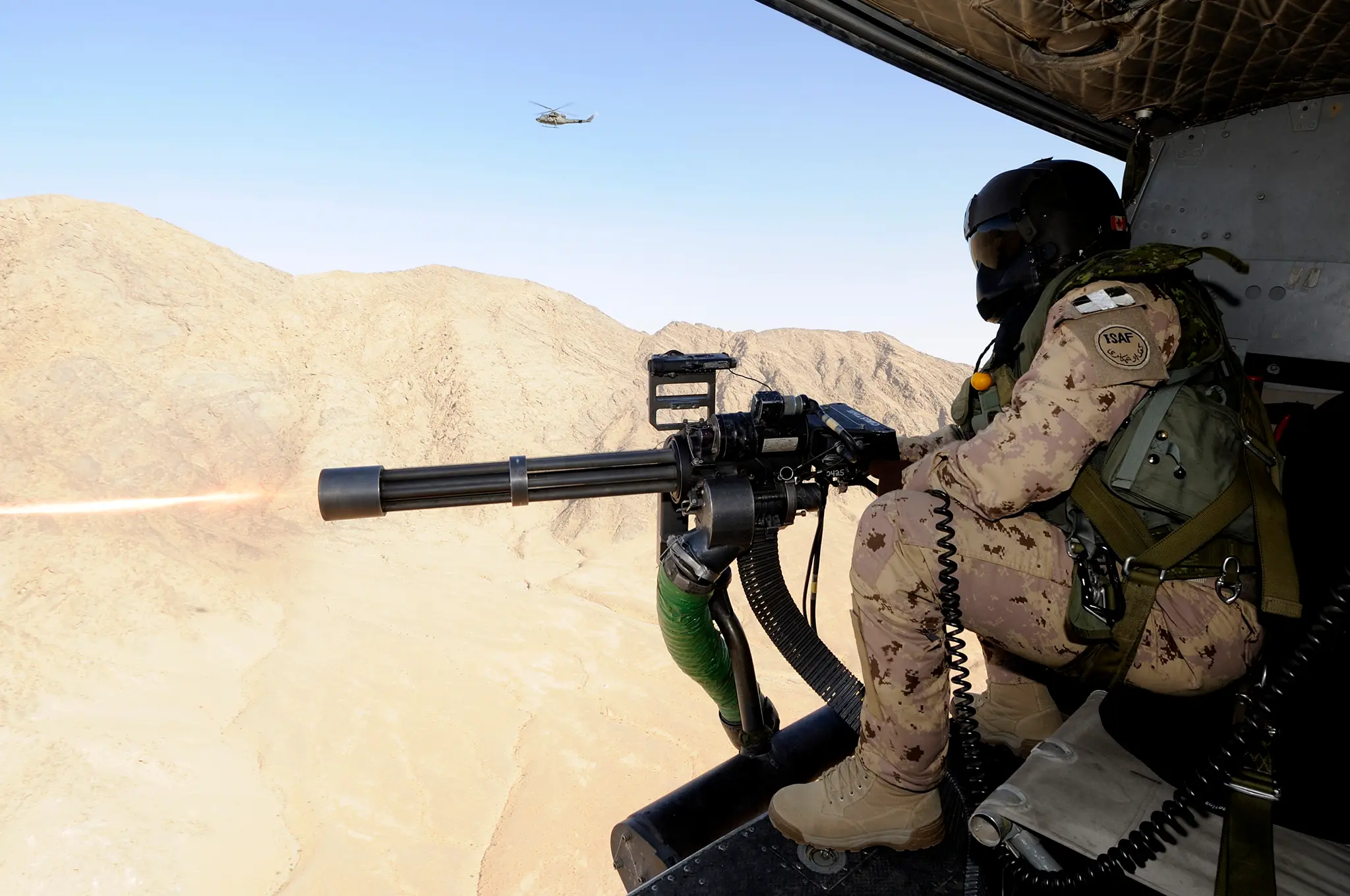
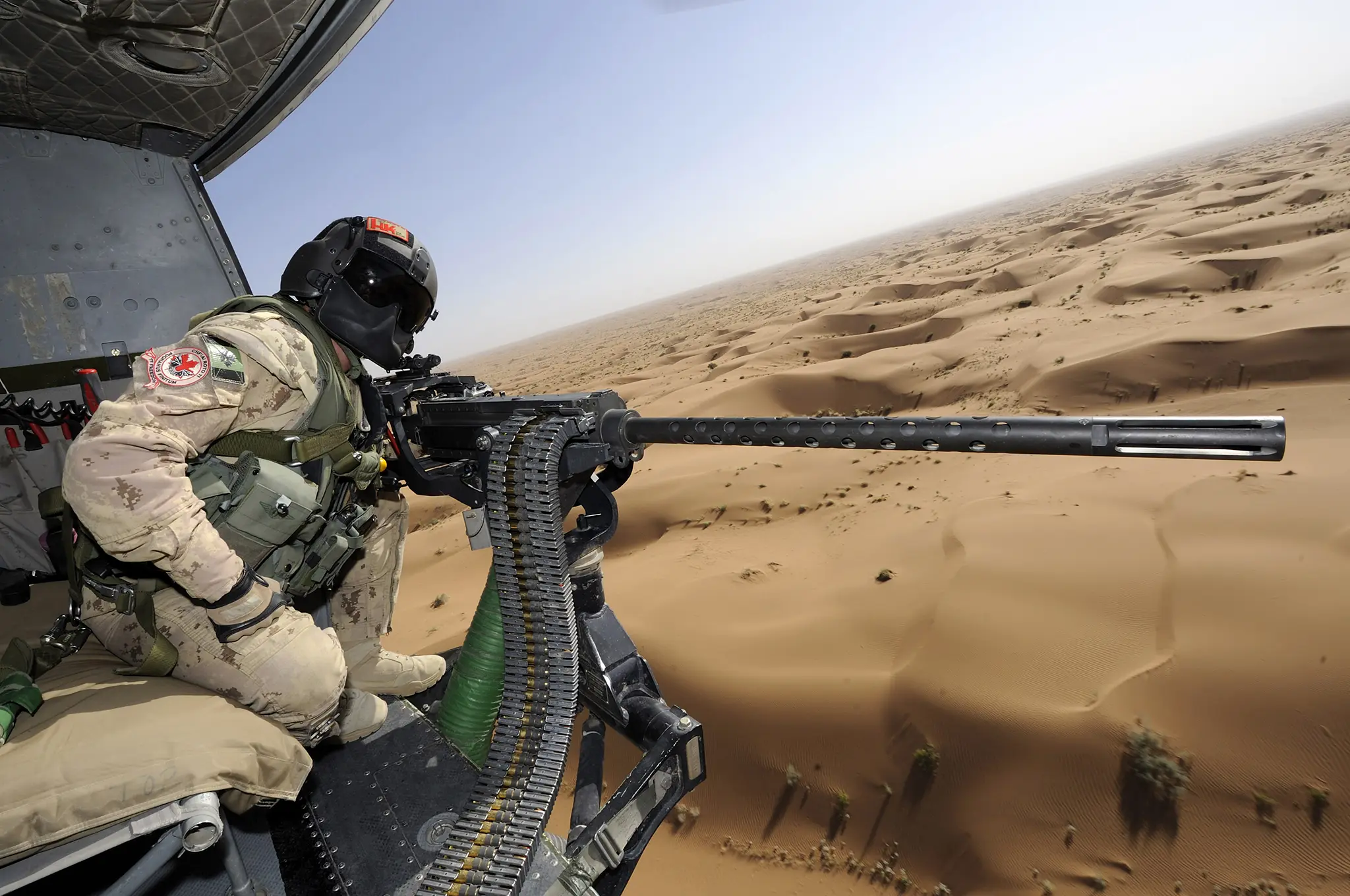
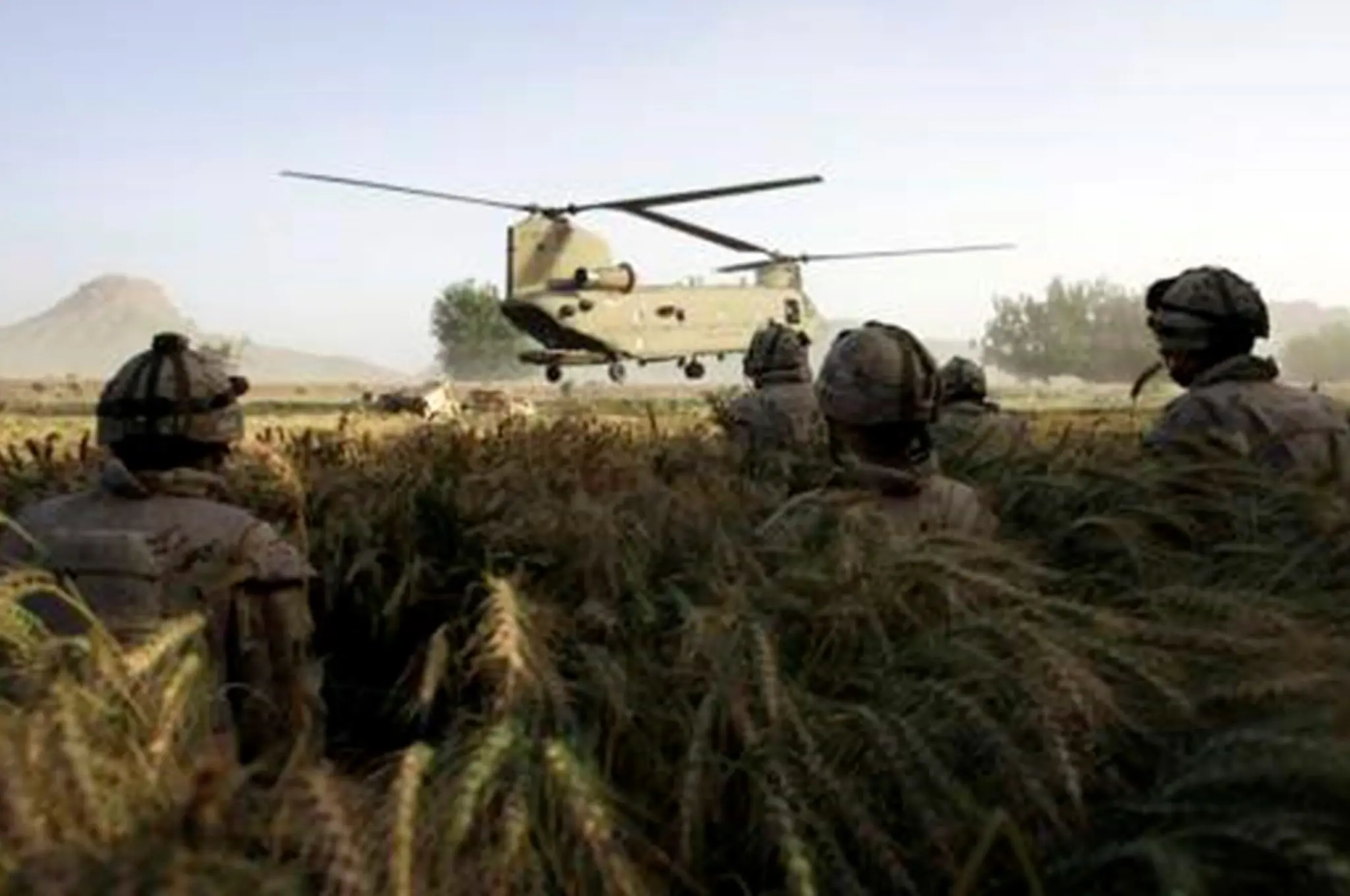
With the deployment of air and aviation assets, the air operations quickly grew from 196 RCAF personnel to 450 RCAF personnel and from three aircraft to three operational flying units. The Air Wing consisted of a headquarters element, the Theatre Support Element (CC-130s), the Canadian Helicopter Force Afghanistan Tactical Aviation Battalion (CH-146s & CH-147s), and the Canadian Heron UAV Detachment (CU-170s). Major-General Scott Clancy was selected to lead the planning and sustainment (follow on rotations and their training) for the deployment of the CH-147 Chinook helicopters into Afghanistan, a complex undertaking requiring coordinated logistics, training, and operational integration.
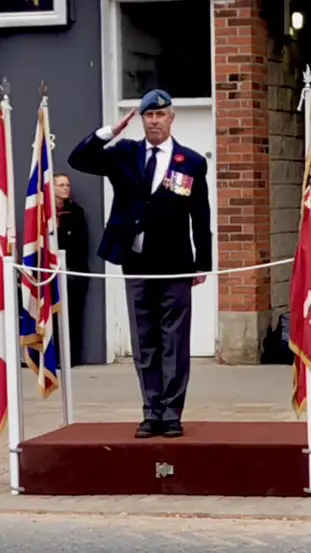
Major-General Scott Clancy, OMM, MSM, CD
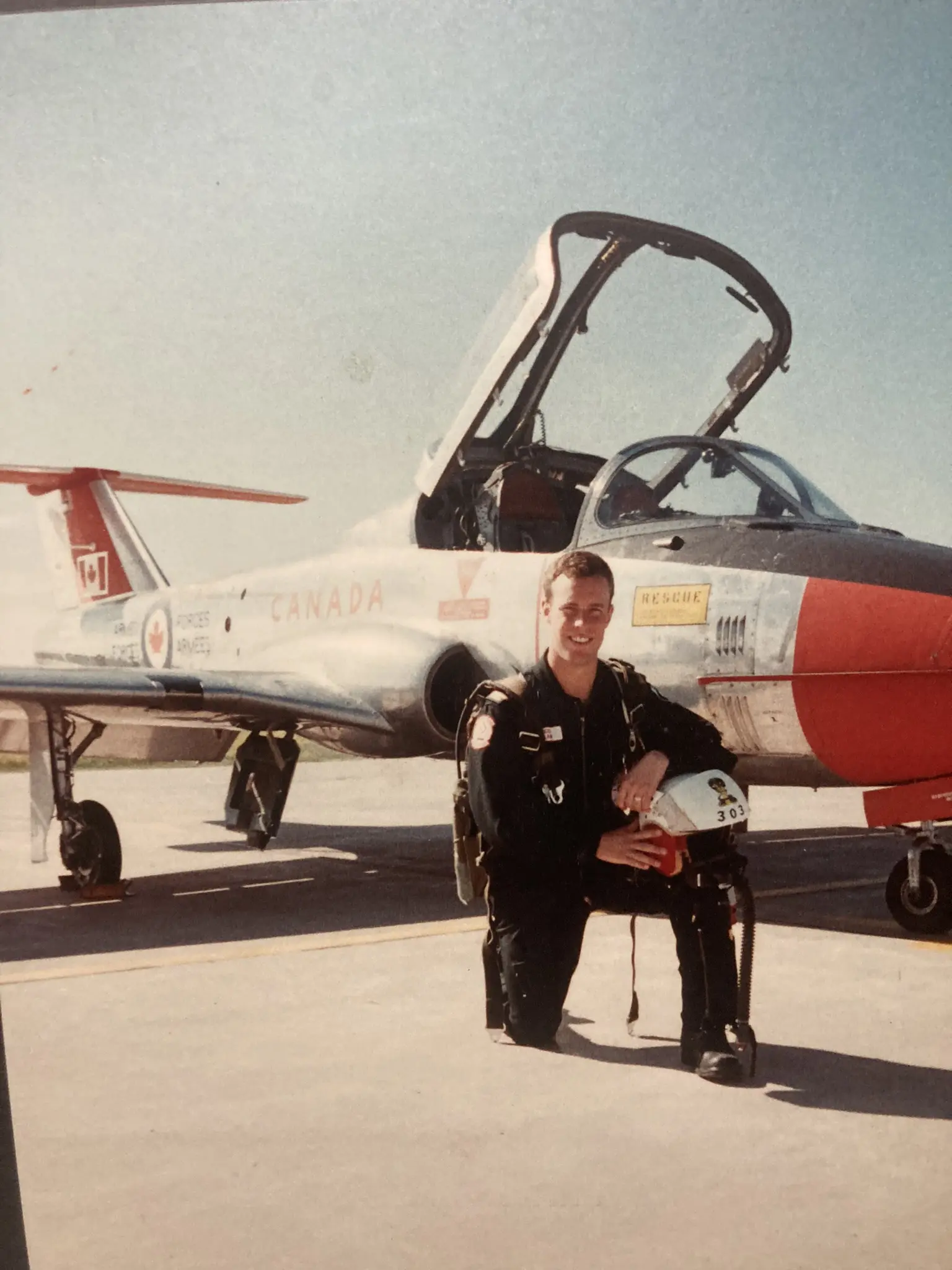
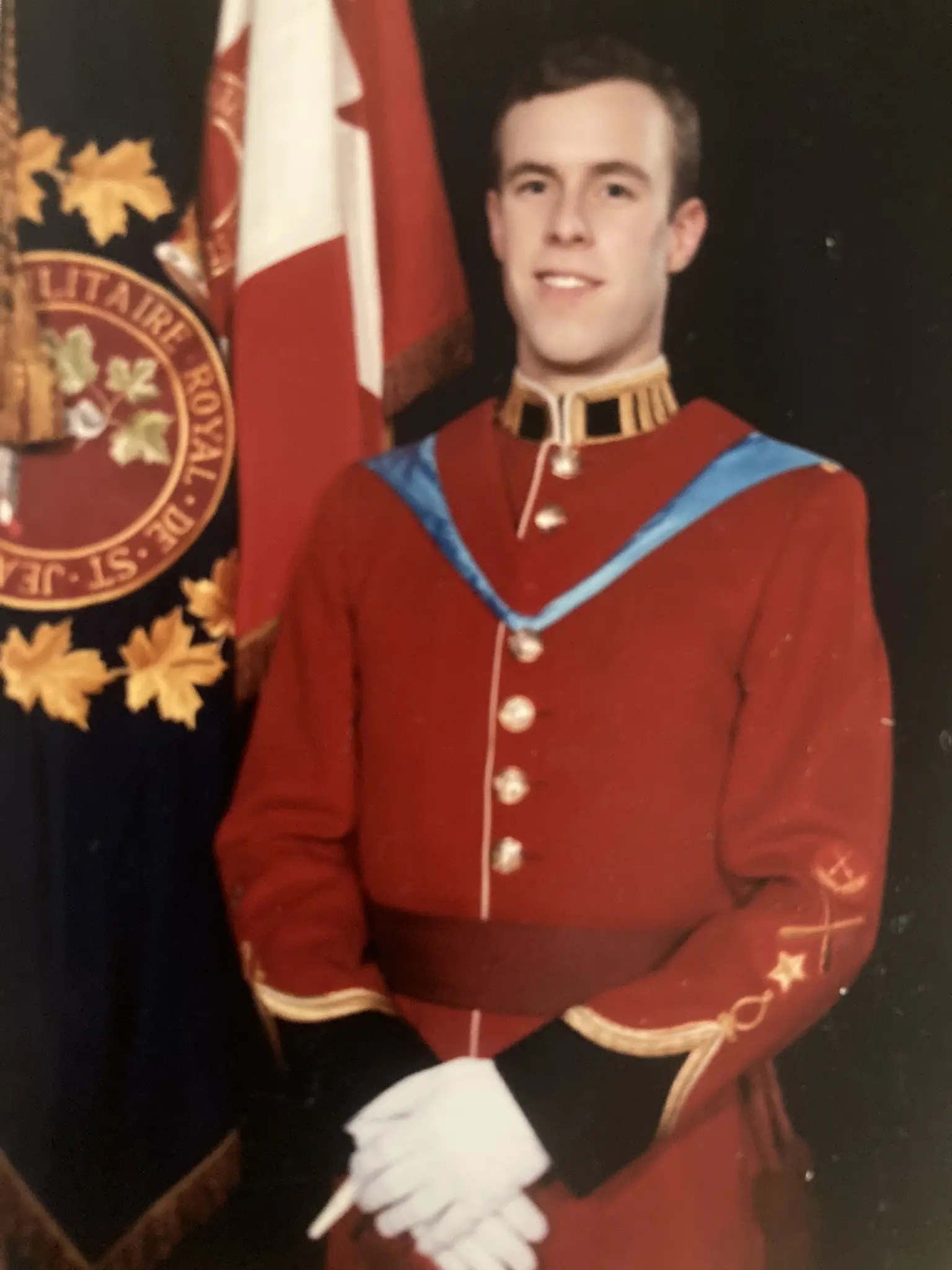
Scott Clancy is a two time Meritorious Service Medal recipient. Graduating from the College militaire royal de Saint-Jean in 1989, Clancy was convinced by a mentor to consider Tactical Helicopters (Tac Hel) as a career path. All it took was one helicopter ride for Clancy to be “hooked”. Throughout his service, he witnessed and contributed to significant transformation within the RCAF.
From Domestic Operations to International Deployment
Over his career, Clancy served with 427 and 430 Tactical Helicopter Squadrons and participated in multiple domestic operations. During his time with 427 and 430 Squadrons, he participated in numerous domestic operations, including natural disaster response and surveillance missions across Canada. By the late 1990s, however, the operational environment of the Canadian Armed Forces was evolving — and so too was the role of tactical aviation.


Change in the Air – The Establishment of 1 Canadian Air Wing
In 1997, 1 Canadian Air Division was stood up to provide operational command of all Canadian Forces air assets. This restructuring integrated Land Aviation and Tac Hel to 1 Wing and centralized the operational employment of Canadian air power. It harmonized search and rescue, tactical aviation, surveillance, and continental defence responsibilities — including those under NORAD. Major-General Clancy served as a Contingency Planner at Canadian Air Division/Canadian NORAD Region before becoming Wing Operations Officer and later Chief of Staff at 1 Wing Headquarters.
Operation ATHENA – An Abrupt Change
In 2008, following the decision to deploy helicopters to Afghanistan in support of ground operations, Clancy was selected to plan the deployment of CH-147 Chinooks. This responsibility included coordinating logistics, implementing tactics, and integrating training for these helicopters and aircrew.


Continued Leadership
Following his role in preparing forces for deployment to Afghanistan, Clancy continued to serve in senior leadership roles. He was appointed to be the Deputy Director of the NORAD/USNORTHCOM Command Centre in Colorado Springs, Deputy Commander of the Alaskan NORAD Region, and later promoted to Major-General and posted to NORAD Headquarters, overseeing all NORAD operations. In 2014, he took over as Commander of 1 Wing, overseeing 85 aircraft and hundreds of aircrew.
Leadership & Professionalism
An RCAF Legacy
Afghanistan proved to be a defining experience for 1 Wing and Canada’s Tactical Helicopter community. It forced a need for coordination between tactical helicopters, long-range patrol, tactical airlift, and unmanned aerial systems — shaping the RCAF’s modern expeditionary doctrine.
Canada’s combat mission in Kandahar Province concluded on July 7, 2011.
The operational lessons, leadership, and professionalism demonstrated during Operation ATHENA continue to inform the Royal Canadian Air Force today.
Our sincere thanks to Veterans Affairs Canada for funding this project, to Mallory Brown for content creation, and to Scott Clancy for sharing his story and content.